
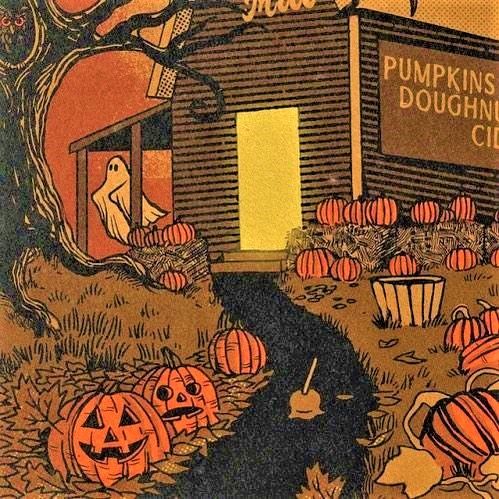

Halloween is just around the corner, and this year, it falls on Thursday, October 31, 2024. Whether you’re gearing up for a night of trick-or-treating, hosting a haunted house party, or simply enjoying the eerie vibes, this night promises to be full of fun and frights!
🎃 The Ancient Origins of Halloween 🎃
Halloween’s spooky roots go all the way back to the Celtic festival of Samhain, over 2,000 years ago. The Celts, who lived in the regions of modern-day Ireland, the U.K., and northern France, celebrated their new year on November 1. The night before, October 31, was believed to be a time when the boundary between the living and the dead blurred. Ghosts were thought to return to Earth, causing mayhem and destruction. To protect themselves, the Celts lit massive bonfires and wore animal skins and heads as costumes to disguise themselves from the wandering spirits.
The Druids, or Celtic priests, used this night to make predictions about the future, giving people hope during the harsh winter months. People would gather to burn crops and animals as sacrifices to Celtic deities. Afterward, they relit their hearth fires from the sacred bonfire, symbolizing protection for the cold months ahead. 🕯️🔥
🎃 How Halloween Evolved 🎃
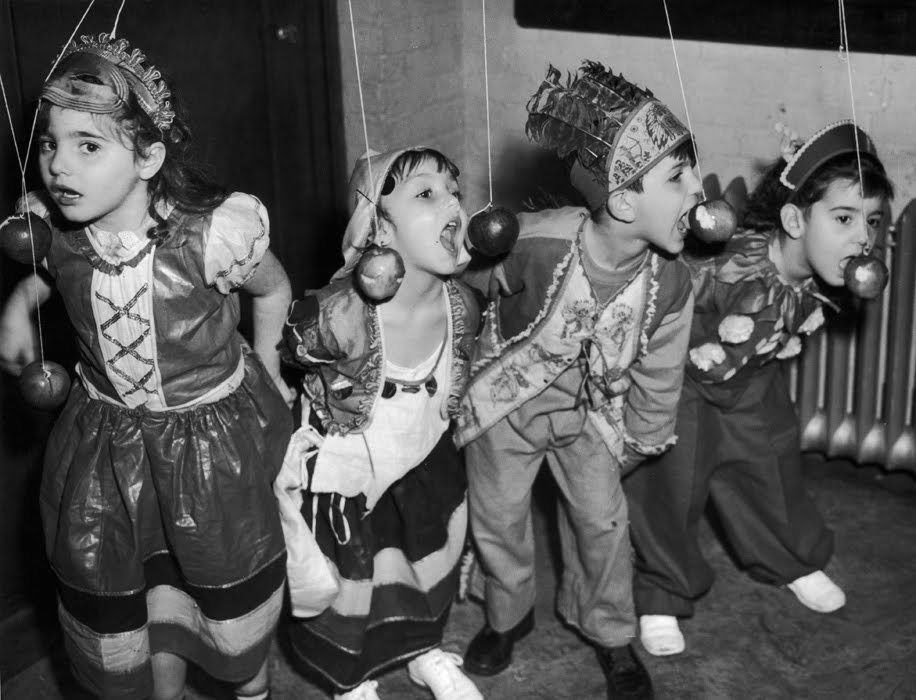
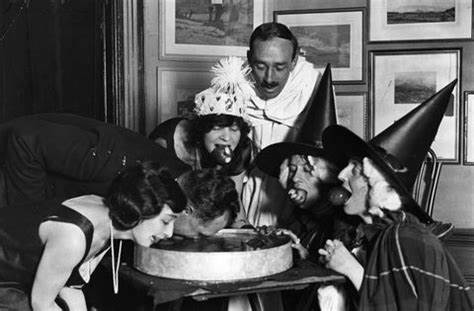
By the time the Romans conquered Celtic lands, they blended two of their own traditions with Samhain. Feralia, a day to honor the dead, and a festival for Pomona, the Roman goddess of fruits and trees. Ever wonder why we bob for apples? That’s a tradition from Pomona’s festival! 🍎
Fast forward to the Christian era: In A.D. 609, Pope Boniface IV established All Martyrs Day, later expanded by Pope Gregory III to include all saints, moving it to November 1. By A.D. 1000, the church added All Souls’ Day on November 2 to honor the dead. These Christian observances merged with Celtic traditions, and the night before All Saints’ Day—October 31—became known as All Hallows’ Eve, which eventually evolved into Halloween.



🎃 Halloween in the Netherlands 🎃
While Halloween is not a traditional Dutch holiday, it has become increasingly popular, especially in the last couple of decades. Many neighborhoods in the Netherlands are embracing Halloween, with decorations, parties, and even trick-or-treating in some areas. Pumpkin carving has also become a favorite activity for families, and many shops and markets sell pumpkins specifically for the occasion.
A Dutch tradition that shares some similarities with Halloween is Sint-Maarten, celebrated on November 11. Children go door to door with lanterns, singing songs in exchange for candy—much like trick-or-treating. However, Halloween is becoming more distinct as it grows in popularity across the Netherlands.
🎃 Fun Halloween Facts Across Europe 🎃
- The U.K. celebrates Halloween with bonfires, ghost stories, and haunted houses, keeping ties to its Celtic roots. Edinburgh, Scotland, hosts one of the largest Samhain celebrations each year.
- In Germany, many people observe All Saints’ Day on November 1 by visiting graves and lighting candles, but Halloween parties and events are increasingly common, with costumes and pumpkin carving becoming popular activities.
- In Ireland, the birthplace of Halloween, the holiday is still celebrated with traditional bonfires, fireworks, and festivals across the country.